In modern PPE manufacturing, efficiency and consistency are critical. A corded earplug assembly machine plays a vital role in automating the process of attaching cords to earplugs, ensuring high output, uniform quality, and reduced labor costs. For manufacturers looking to scale production or improve product consistency, investing in the right automation solution can significantly impact competitiveness.
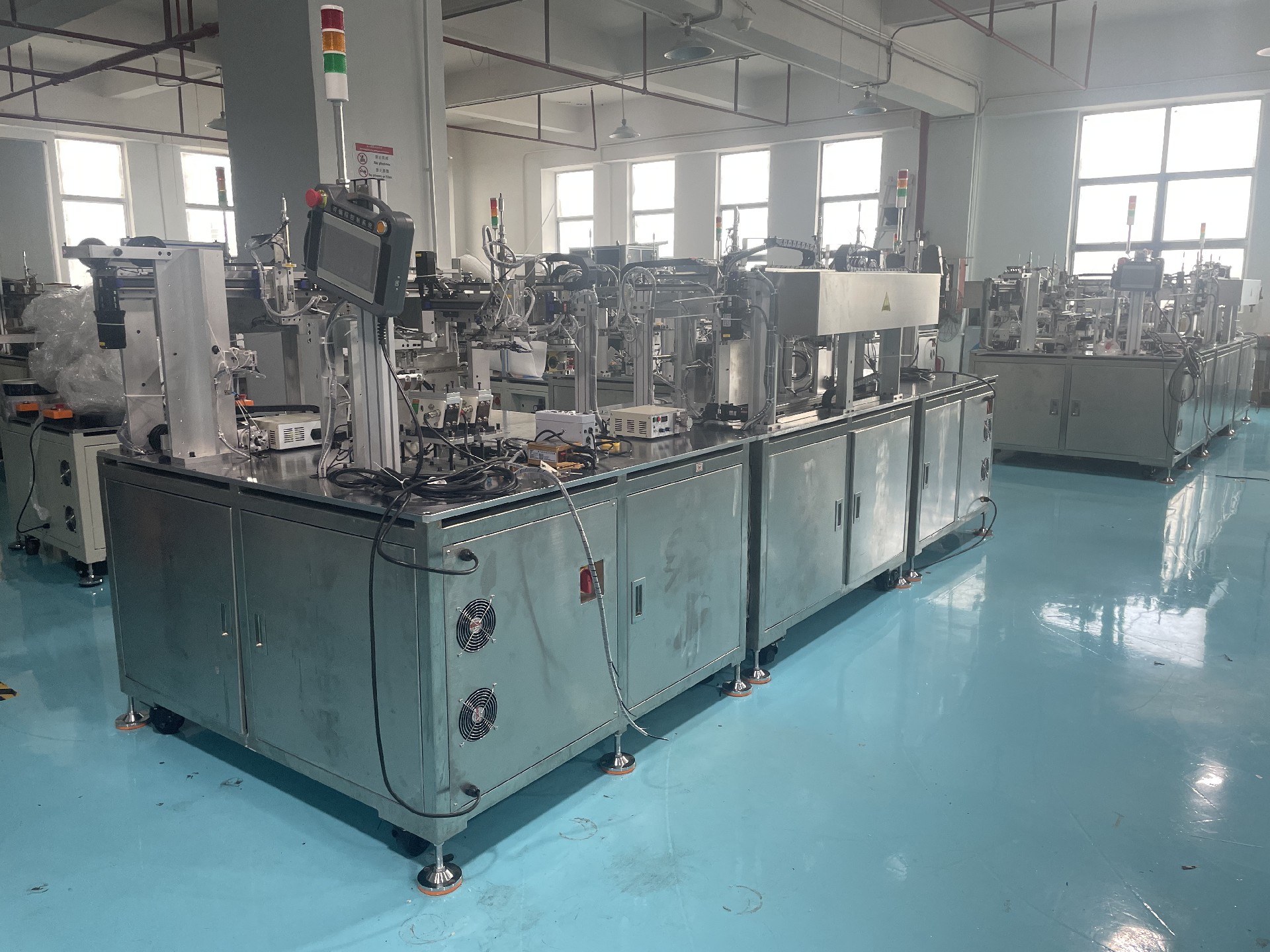
A corded earplug assembly machine is specialized industrial equipment designed to automate the process of connecting earplugs with cords. These machines handle multiple steps including feeding, positioning, cord insertion, and bonding or fastening.
Unlike manual assembly, automated systems deliver consistent results while reducing human error. They are commonly used in industries producing hearing protection products for construction, manufacturing, and industrial safety.
Modern machines are designed for speed, precision, and flexibility. Depending on the model and customization level, typical features include:
Automatic earplug feeding and positioning
High-precision cord insertion systems
Ultrasonic or mechanical bonding technology
Real-time quality inspection modules
Adjustable settings for different earplug sizes and materials
Integration with upstream and downstream production lines
These features ensure stable operation and allow manufacturers to adapt to different product specifications.
Switching from manual assembly to automation brings several measurable advantages:
Increased Productivity: Machines can produce thousands of units per hour with minimal downtime.
Consistent Quality: Automated processes eliminate variability caused by manual labor.
Reduced Labor Costs: Fewer operators are needed, lowering operational expenses.
Improved Safety: Minimizes repetitive tasks and workplace injuries.
Scalability: Easily increase output without proportional labor increases.
For growing PPE manufacturers, these benefits directly translate into higher profit margins and better market positioning.
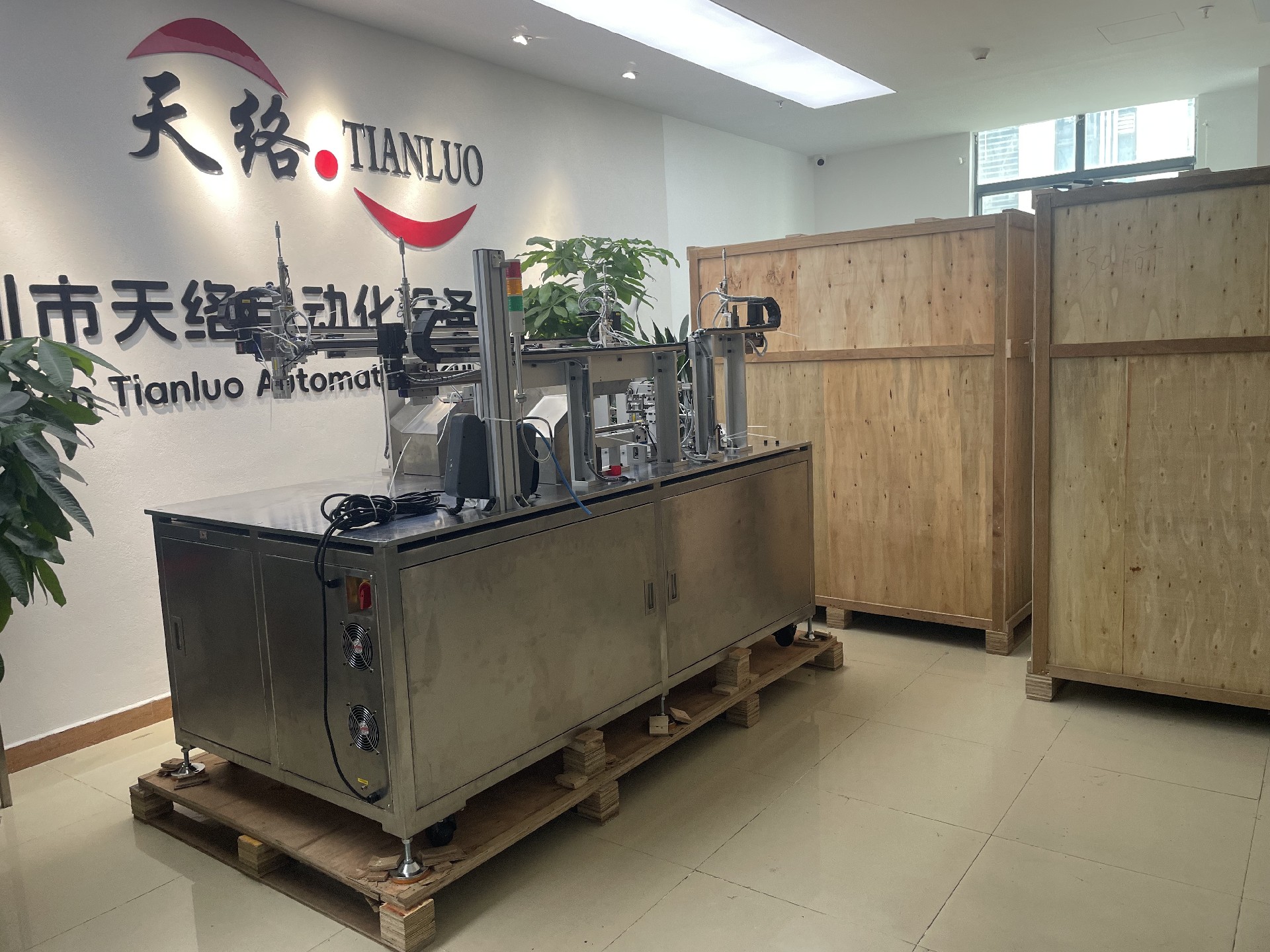
A mid-sized PPE manufacturer producing foam earplugs faced challenges with inconsistent cord attachment and high labor turnover. After implementing an automatic corded earplug assembly machine, the company achieved:
Production increase from 8,000 to 25,000 units per shift
Defect rate reduction by over 60%
Labor cost savings of approximately 40%
This upgrade not only improved efficiency but also enabled the company to secure larger contracts with international buyers requiring strict quality standards.
Selecting the right equipment depends on your production needs and long-term goals. Consider the following factors:
Production Capacity: Match machine speed with your demand forecast
Material Compatibility: Ensure it supports your earplug and cord materials
Customization Options: Look for flexible configurations
Ease of Maintenance: Simple design reduces downtime
Supplier Support: Reliable technical support is essential
Custom non-standard automation solutions are often the best choice for manufacturers with unique product specifications or workflow requirements.
A corded earplug assembly machine is most effective when integrated into a complete production system. It can be connected with:
Earplug molding machines
Packaging systems
Inspection and testing equipment
This creates a seamless, fully automated production line that maximizes efficiency and minimizes manual intervention.
Depending on the configuration, most machines can produce between 10,000 to 30,000 units per shift. High-speed systems may exceed this range.
Yes, many machines are designed with adjustable tooling to accommodate foam, silicone, or rubber earplugs, as well as different cord types.
If your product design or workflow is unique, a customized solution ensures optimal efficiency and compatibility with existing equipment.
The adoption of a corded earplug assembly machine is a strategic move for manufacturers aiming to improve efficiency, reduce costs, and maintain consistent product quality. With increasing demand for PPE products worldwide, automation is no longer optional—it is essential for staying competitive.
Looking for reliable non-standard automation equipment? Contact us today for customized automation solutions tailored to your production needs.
The company's products include various full- automatic componentsproduction and processing equipment, full-automatic assemblyequipment, full-automatic production lines, robotics and visionintegration applications, etc