You can master a drilling and tapping machine with patience and practice. Start by focusing on safety. Always wear the right protective gear and follow clear steps. Never skip the instructions from the manufacturer. These keep you safe and help you get the best results. Take your time, use the right tools, and do not rush. With the right approach, you will build confidence and skill every time you use the machine.
Key Takeaways
Always stay safe by wearing safety gear. Follow the instructions from the manufacturer. This helps keep you safe. It also helps you get good results.
Take care of your machine often. Clean it, oil it, and look for damage. Check it every day to stop big problems later.
Use the right tools and ways for drilling and tapping. Pick the best drill bit and tap for your material. This helps you get better results.
Hold your workpiece tightly so it does not move. This stops accidents and helps you be exact. Use clamps or vises to keep things steady.
Be patient and pay close attention. You get better with practice. Take your time to learn and feel confident.
Getting started with a drilling and tapping machine
A drilling and tapping mahine helps you make holes and cut threads in metal or other materials. Drilling uses a spinning drill bit to make a neat hole. Tapping makes threads inside the hole so screws or bolts can fit. These machines do two main things: drilling for exact holes and tapping for strong threads. Other machines, like CNC mills or lathes, can do more jobs, but a drilling and tapping machine is made for these two steps. You get good results and can trust it for metal projects.
You should learn about the main parts before you begin. Each part does something important. The table below lists the main parts and what they do:
| Component | Function |
Drilling Unit | Creates holes at designated locations in various materials. |
| Tapping Unit | Engages to cut threads into the drilled holes for fasteners. |
| Common Frame | Supports both the drilling and tapping units, ensuring stability. |
| CNC Controls | Allows for programmable settings and enhances precision and repeatability. |
Sensors | Monitors real-time operations for quality assurance and adjustments. |
Always read the instructions from the manufacturer before using the machine. Only one person should use the ratchet handle at a time. This keeps you safe and stops the machine from breaking.
Safety is very important. You must check the machine before you use it. OSHA says you should follow some steps to keep everyone safe. The table below shows important safety checks:
Safety Checck | Description |
Machine Guarding | Employers must comply with general industry standards for machine guarding in drilling operations. |
| Employee Training | Employers are required to train employees to recognize and avoid hazards associated with drilling. |
| Meet the Protection Requiremnets | General requirements for machine guarding applicable to all types of machinery not covered by specific standards. |
Before you start, clean and oil all the moving parts. Check and clean the tapping bits to get rid of chips and dirt. These steps help the machine work well and stop accidents.
|Tip: Always use the right oil and keep your work area clean. This lowers friction and helps your machine last longer.
You will do a good job if you follow these steps every time.
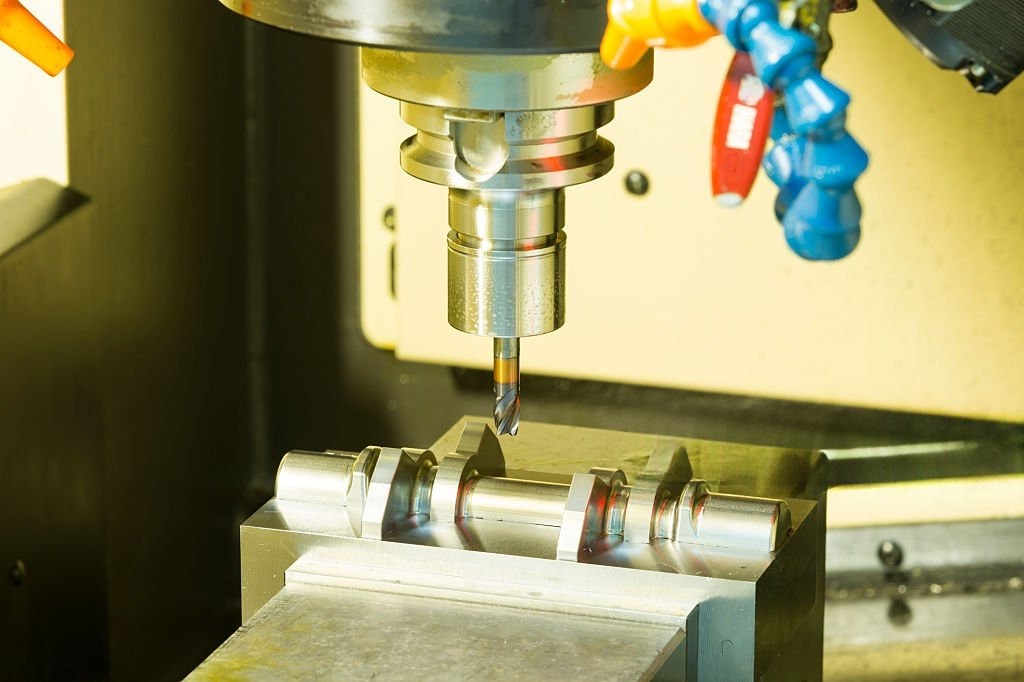
You need to set up your drilling and tapping machine before you start any work. Begin by reading the manufacturer's instructions. This helps you avoid mistakes and keeps you safe. Place the machine on a stable surface. Make sure all parts are clean and oiled. Check that the drill and tap units move smoothly.
Securing your workpiece is very important. If the workpiece moves, you can get hurt or ruin your project. Use clamps or a vise to hold the material in place. Never hold the piece with your hand. The table below shows the best practices for securing your workpiece:
Best Practice | Description |
| Clamp small stock securely | Prevents twisting or spinning during drilling. |
| Tighten the workpiece | Prevents movement before drilling. |
| Use both hands to grip the drill | Ensures better control and safety while drilling. |
| Never hold the piece in hand | Reduces the risk of losing control of the drill. |
Check that the drill bit or tap is sharp and clean. Remove any chips or dirt. This helps you get a smooth cut and keeps the tool from breaking.
You can drill precise holes with a drilling and tapping machine if you follow the right steps. Start by marking the spot where you want the hole. Use a center punch or a center drill to make a small dent. This keeps the drill bit from slipping.
Choose the right drill bit for your material. For wood, use a twist bit or spade bit. For metal, use a high-speed steel (HSS) bit for soft metals or a cobalt bit for hard metals. For masonry, use a masonry bit with a carbide tip. The table below shows which drill bit works best for each material:
| Material | Recommended Drill Bit Type |
| Wood | Twist bit, Spade bit, Hole saw |
| Metal | HSS for softer metals, Cobalt for harder metals |
| Masonry | Masonry drill bit with carbide tip |
| Specialized | Diamond-tipped for glass, Tile drill bit for ceramic tiles |
Install the drill bit into the machine and tighten it. Make sure the bit is straight. Use a spot-face tool if you want extra accuracy. Check a tap and die chart to pick the correct drill size for tapping later.
Follow these steps for drilling:
Mark the drilling spot and make a small center hole.
Clamp the workpiece tightly.
Select and install the correct drill bit.
Apply cutting fluid to cool the bit and workpiece.
Place the drill bit on the center hole and keep it straight.
Start drilling slowly, applying gentle pressure.
Remove metal shavings as you drill.
Drill until you reach the desired depth.
Clean the hole and check its size.
| Tip: Start with a smaller drill bit and work up to the final size. This makes drilling easier and more accurate.
Tapping creates threads inside the hole you just drilled. You need to use the right tap for your material and hole size. Check the tap for sharpness and cleanliness before you start.
Follow these steps for tapping:
Choose the correct tap for your material and hole.
Clamp the workpiece so it cannot move.
Select the right drill size for the tap.
Check the drill and tap for wear.
Set the correct speed on the drilling and tapping machine.
Apply tapping fluid to reduce friction and heat.
Align the tap with the hole and start tapping slowly.
Back out the tap every few turns to clear chips.
Finish tapping and remove the tap carefully.
Tapping fluid is very important. It reduces friction, helps the tap last longer, and lowers costs. You can choose different fluids for different materials. Always use enough fluid to keep the tap cool and smooth.
| Note: If you tap at high speeds, you can break the tap or damage the threads. Use a slow, steady speed for best results.
Many people make the same mistakes when using a drilling and tapping machine. You can avoid these problems by following some simple rules:
Set up the machine and workpiece correctly. Poor setup causes most tapping issues.
Check your tools often. Replace worn or damaged drill bits and taps.
Do not use too much speed when drilling or tapping. High speeds can break tools, cause poor threads, and overheat the machine.
Use the right lubricant. Good lubrication reduces friction and heat.
Make sure you use the correct drill size for tapping. Wrong sizes can lead to oversized or stuck threads.
Always deburr the hole before tapping. This prevents jagged threads and tool wear.
Remove chips often. Chip buildup can cause the tap to stick or break.
Use high-quality tools for even thread profiles.
| Tip: If you notice rough threads or broken tools, check your spindle speed and lubrication first.
You can master the drilling and tapping machine by following these steps and avoiding common mistakes. Practice and attention to detail will help you get great results every time.
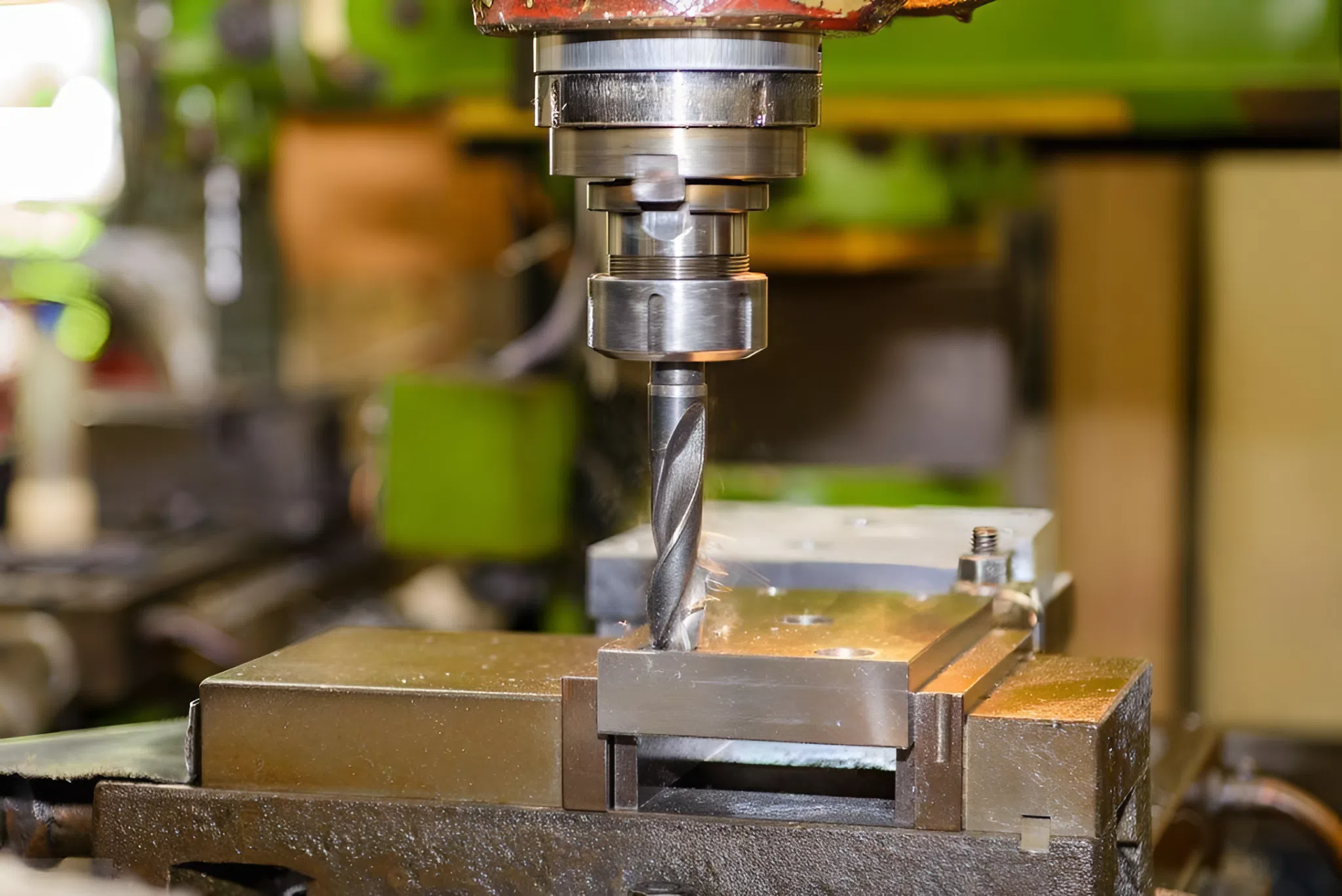
You can keep your drilling and tapping machine working well by doing daily checks. This helps you find problems early and keeps your machine in good shape. Here are the main things you should do every day:
Blow away chips and dust with compressed air after you finish.
Use the automatic lubrication system to add oil. Always follow your manual.
Check the air pressure and coolant before starting the machine.
Doing these checks each day helps you spot trouble before it gets worse. Use this table to help you remember what to check:
| Checklist Item | Description |
| Lubrication System | Look at oil level and quality. Make sure nothing blocks the oil. Change oil if it looks dirty. |
| Cooling System | Keep the radiator clean and check coolant. Blow away dust with air. |
Drill Pipe and Bi | Look for cracks or bends. Clean out chips so nothing gets stuck. |
| Engine Oil and Filter | Change them as the manual says, usually every 200–250 hours. |
| Hydraulic Oil and Filter | Change every 1000–2000 hours. Clean the oil tank often. |
| Electrical System | Check cables and plugs for damage. Make sure they are waterproof. |
| Belt and Chain Tension | Adjust and oil them. Replace if they are very worn. |
| Functional Testing | Test all parts, including emergency stop and safety switches. |
| Structural Inspection | Look for cracks or bent parts on the frame. |
| Hydraulic System | Check if the oil is clean and the pump works well. |
| Tip: Clean chips and dirt from bits and surfaces every day. This stops clogs and helps your machine last longer.
Lubrication and cleaning stop your machine from wearing out too fast. Put grease on the spots shown in your manual. This makes the parts move better and last longer. Wipe off extra grease so dirt does not stick. Push lubricant into holes with pressure for best results. Keep tapping lubricants clean by using a filter.
You can also use these types of lubricants:
Water-soluble lubricants cool well and are easy to clean.
Synthetic lubricants work for tough jobs and high heat.
Paste lubricants stick to parts and help during slow work.
Note: Always look for oil leaks and fix them fast. Leaks can hurt your machine and make it unsafe.
Sometimes your drilling and tapping machine has problems. You might see rough threads, broken taps, or parts wearing out fast. You can fix many problems by checking oil, tap sharpness, and if the machine is lined up right.
Here are some common problems and how to fix them:
Rough threads: Use sharp taps and set the right speed.
Tap breaks: Use enough oil and do not use too high thread percent.
Loading or galling: Use the right oil and check the tap.
Tap wears out: Pick good taps and change cutting settings.
Machine not lined up: Check the spindle and fixture.
Also check these things:
Make sure the tap holder is not worn out.
Check if the hole is the right size and straight.
Use V-holders and good oil to help taps last longer.
This table shows more ways to fix problems:
| Issue | Possible Cause | Solution |
Undersized threa | Wrong tolerance, worn tap, small drill hole | Use a higher tolerance tap, new tap, or bigger drill |
| Chipping | Wrong tap, not enough oil, chips stuck | Use the right tap, add oil, clear chips |
| Breakage | Too much force, worn tap, too fast, chips stuck | Slow down, use a new tap, set torque |
Rapid wear | Wrong tap, wrong surface, too fast | Use a better tap, slow down, add oil |
Built-up edge (BUE) | Wrong tap, worn tap, not enough oil | Use a new tap, add oil |
| Tip: If you see rough threads or broken taps, check oil and alignment first. These steps fix most problems.
Sometimes you cannot fix a problem by yourself. Call a professional if you see these signs:
Strange noises or shaking that do not stop after cleaning.
Electrical problems like broken cables or plugs.
Hydraulic leaks that keep coming back.
Cracks or bent parts in the machine frame.
Safety switches that do not work when tested.
A professional can check your machine and fix it safely. Never ignore big problems. Fixing them fast keeps you safe and saves your machine.
| Alert: If you are not sure about a repair, stop using the machine and get help. Safety is always most important.
You can master a drilling and tapping machine by following these steps:
Check and lubricate moving parts every day.
Inspect for damage and keep the machine clean.
Sharpen drill bits and align the tap before use.
Secure your workpiece and wear safety gear.
Record all maintenance and repairs.
| Practice and focus help you build skill. Always follow safety routines and ask a professional if you need help. With patience, you will achieve great results.
You should lubricate your machine every day before use. Check the manual for specific spots. Proper lubrication helps parts move smoothly and prevents wear.
You need safety glasses, gloves, and ear protection. Wear closed-toe shoes. These items protect you from flying chips, loud noise, and sharp edges.
Your tap may break if you use too much speed, apply too much force, or forget to use tapping fluid. Check the tap for wear and always clear chips often.
You should not use the same drill bit for all materials. Choose bits made for wood, metal, or masonry. Using the right bit gives you cleaner holes and longer tool life.
Stop the machine right away. Check for loose parts, worn bearings, or lack of oil. If you cannot find the problem, call a professional for help.
The company's products include various full- automatic componentsproduction and processing equipment, full-automatic assemblyequipment, full-automatic production lines, robotics and visionintegration applications, etc